
Meet FinMin
I designed and built a local-first personal
finance workspace that helps the user
manage their finances, privately.
Overview
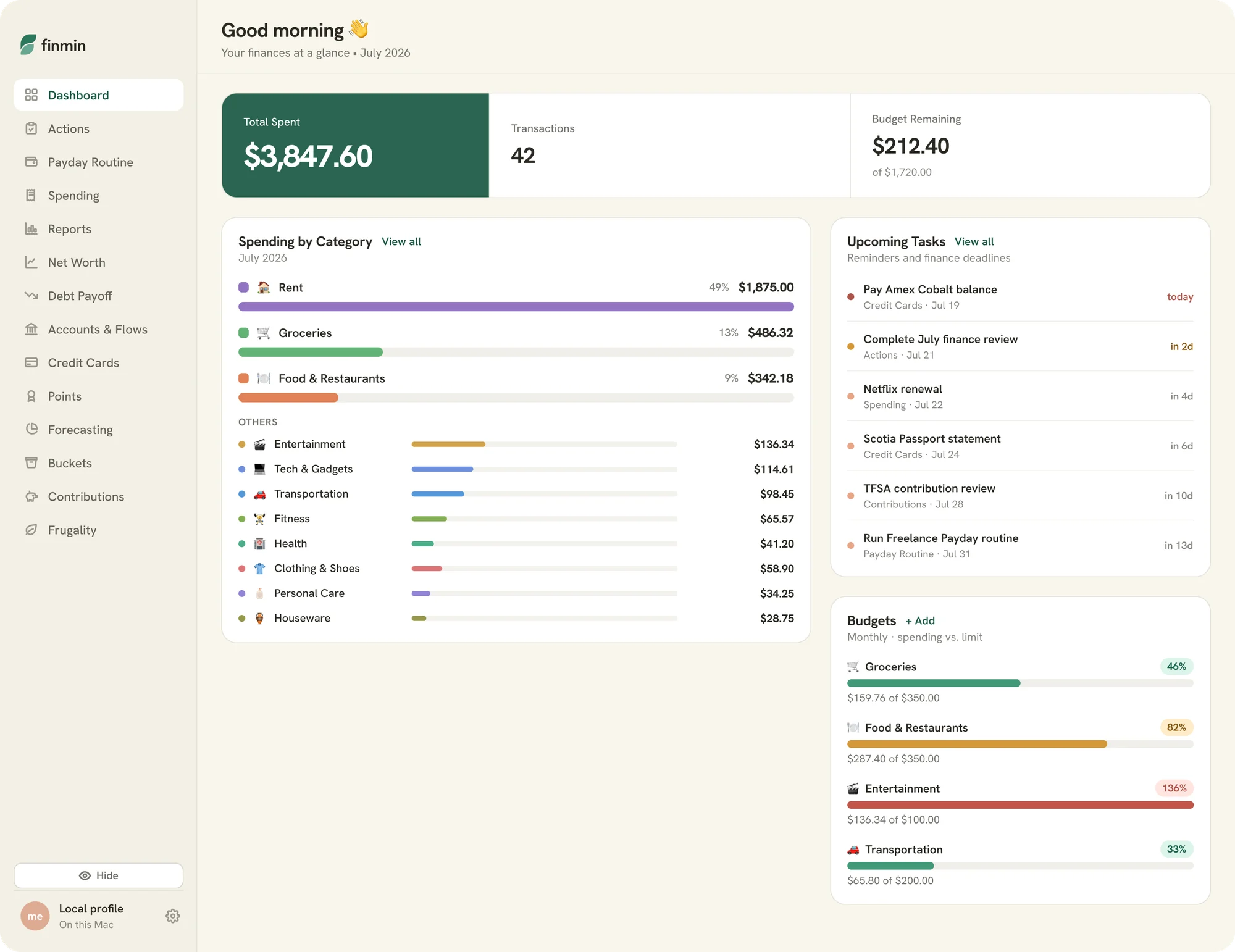
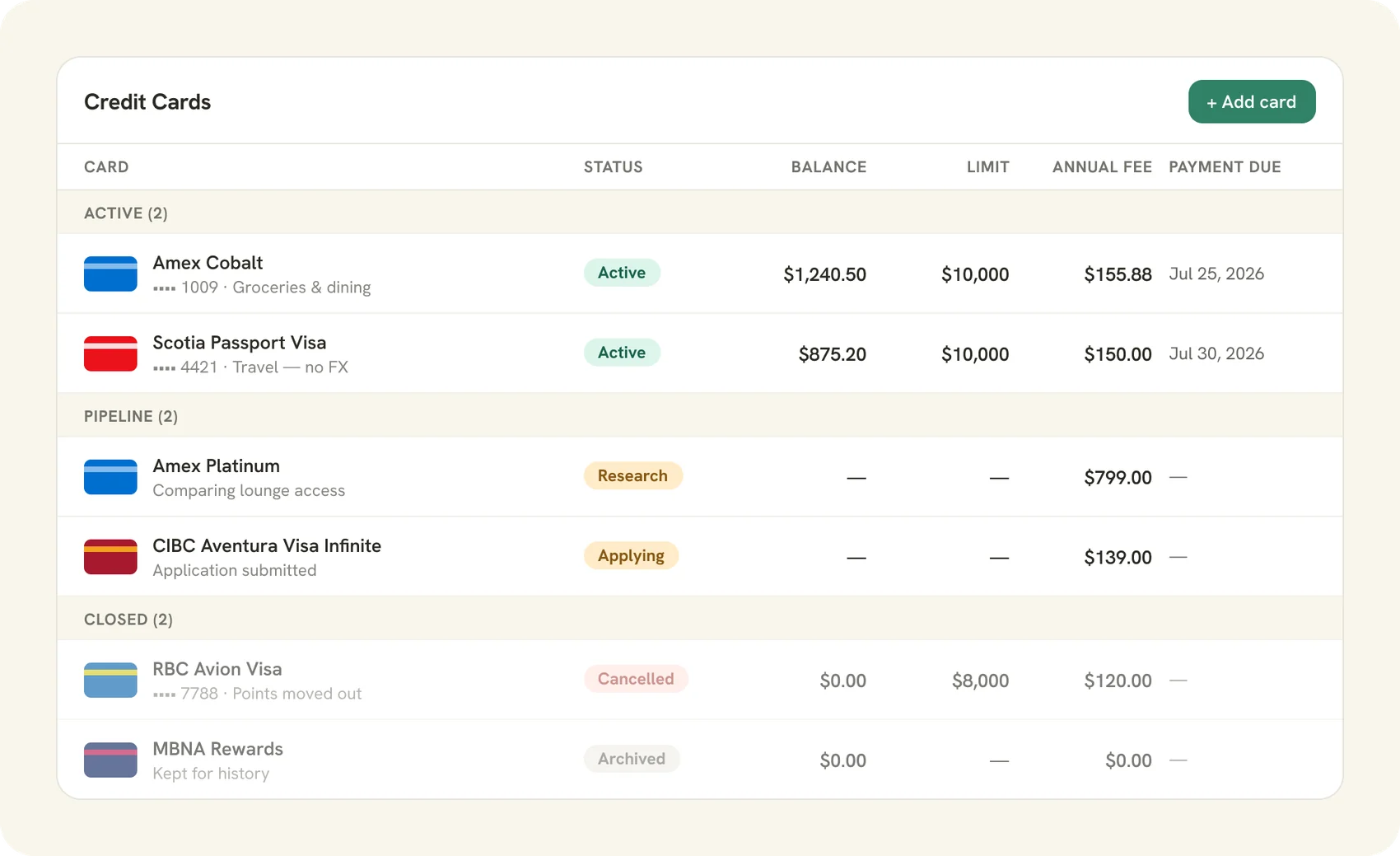
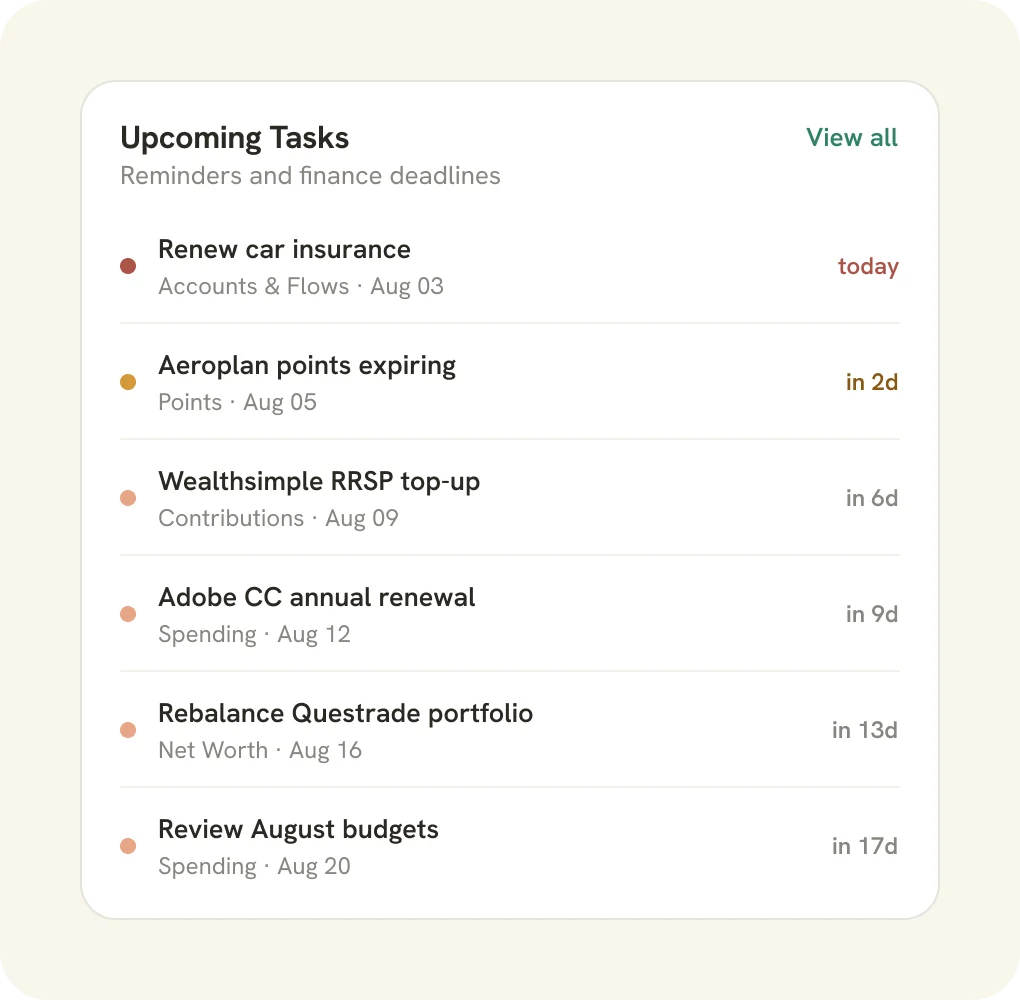
I set out to design and build a unified macOS workspace that could organize the client's complete financial picture without taking ownership of their data. The product needed to support detailed financial workflows, remain approachable during frequent use, and preserve direct access to every record outside the application.
Designing for
local-first privacy
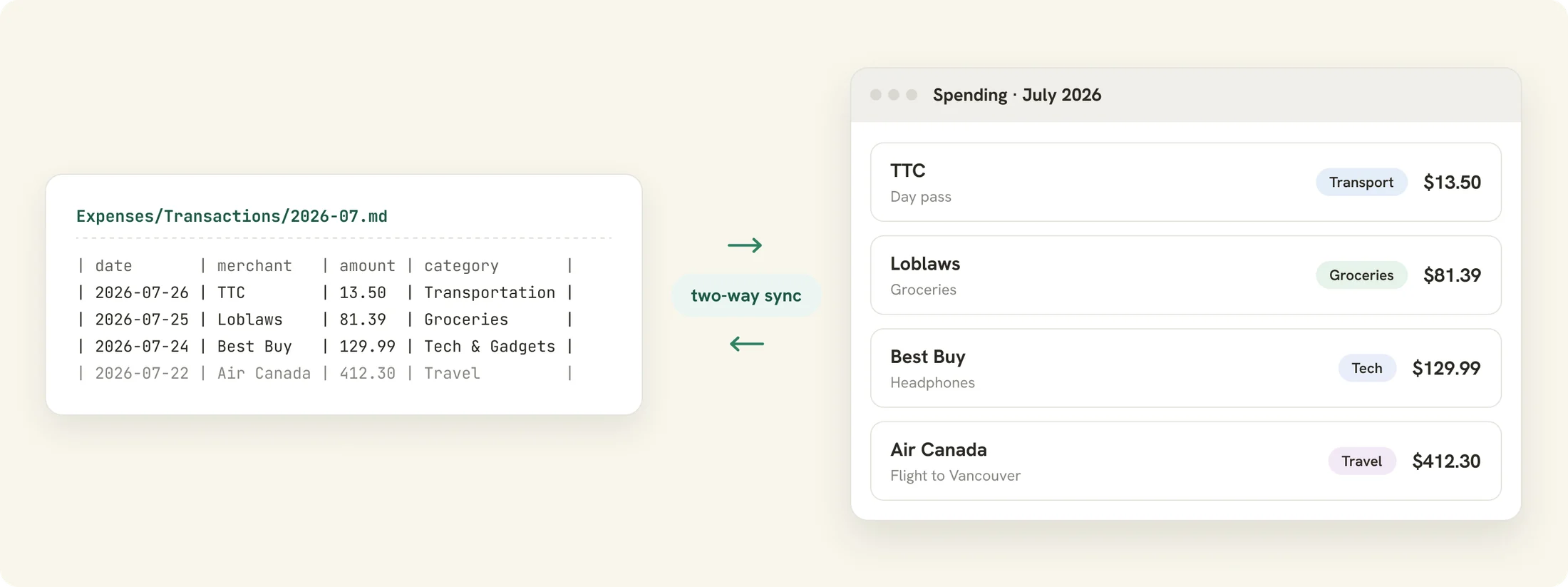
I built the product around a local-first file model. Transactions, budgets, subscriptions, accounts, forecasts, and monthly reviews live as human-readable Markdown inside a folder chosen by the client. Interface edits write to disk immediately, direct file edits flow back through live file-watching, and every record remains accessible outside the application.
A calm system for a dense product
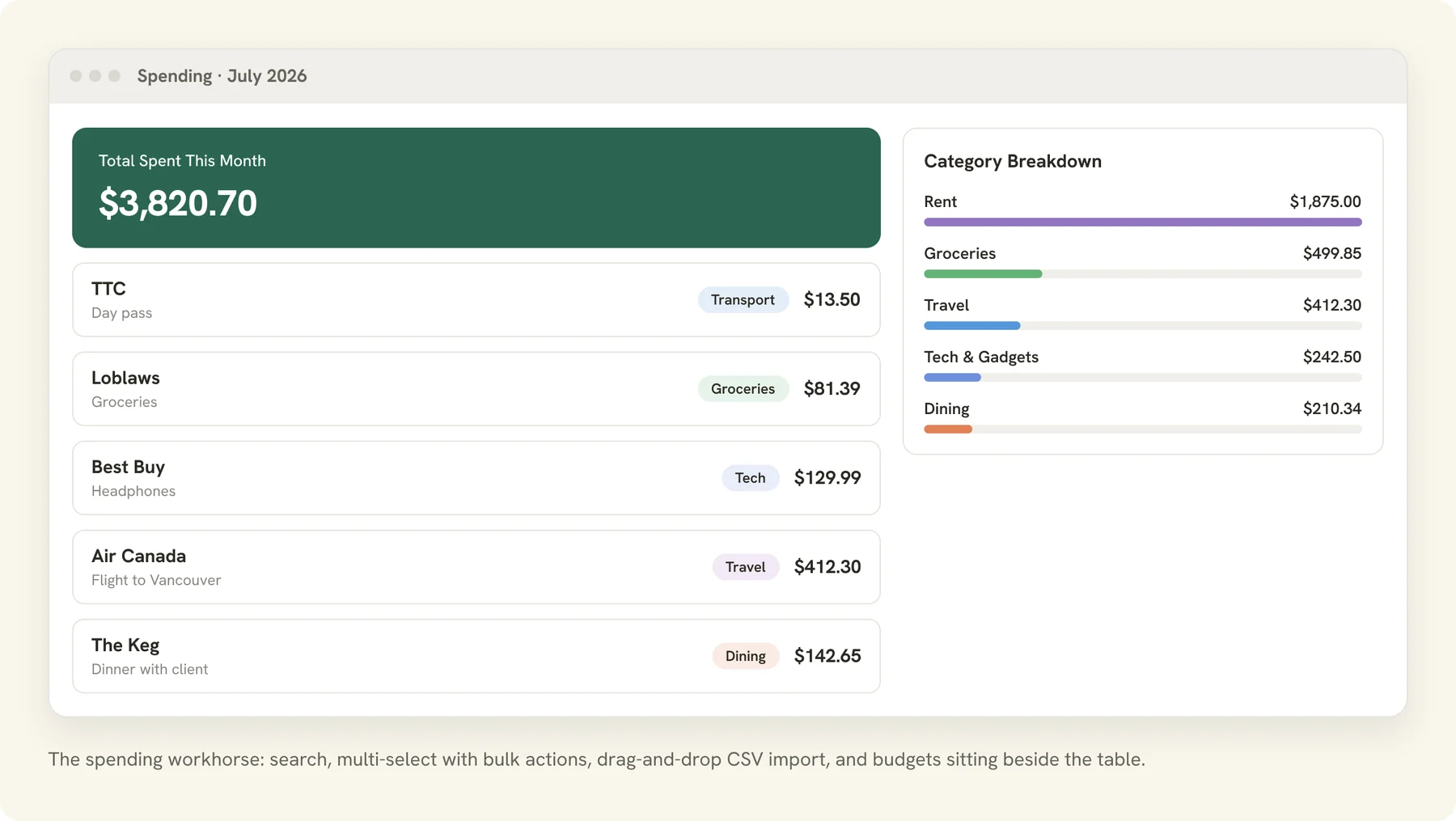
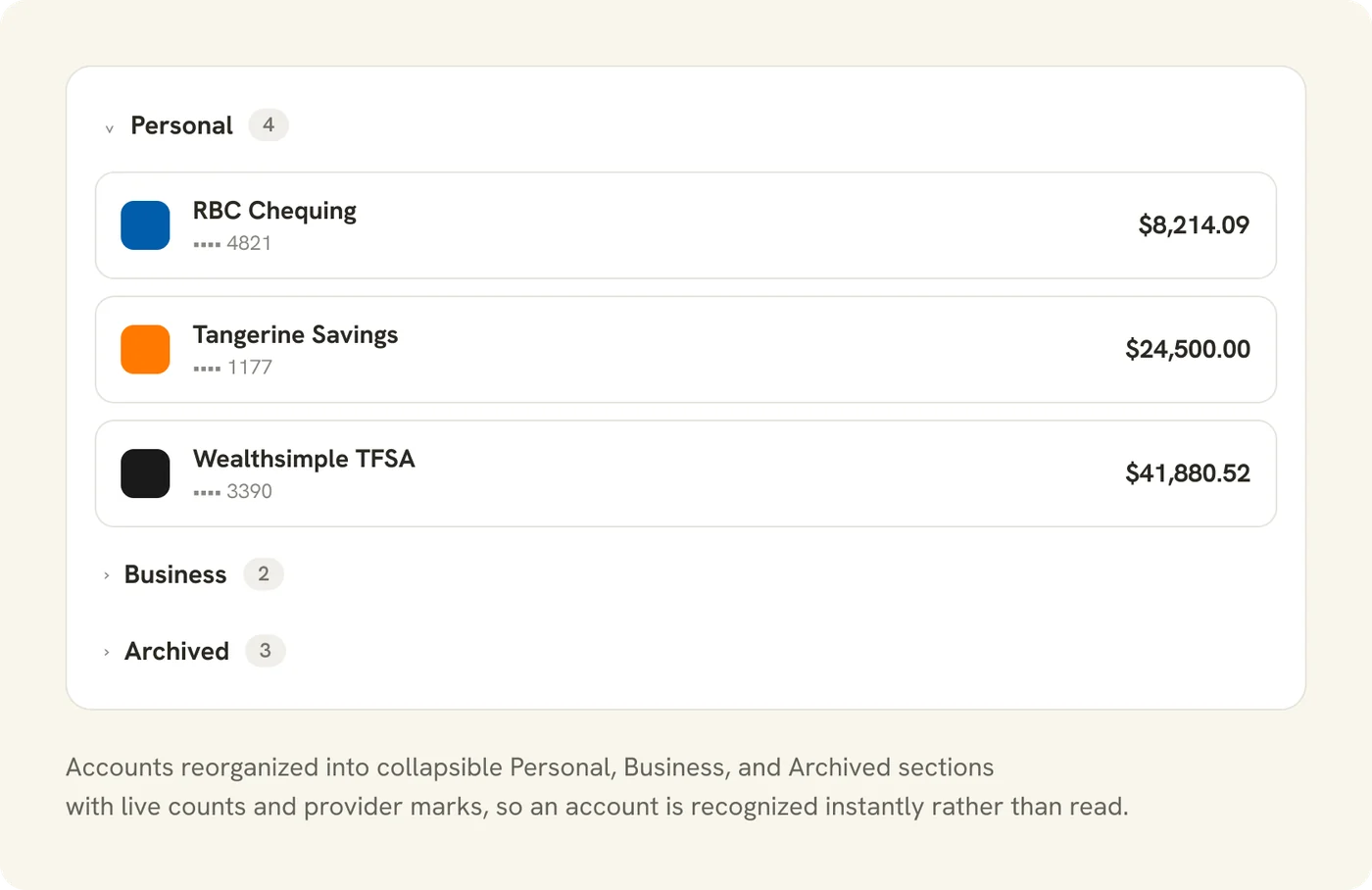
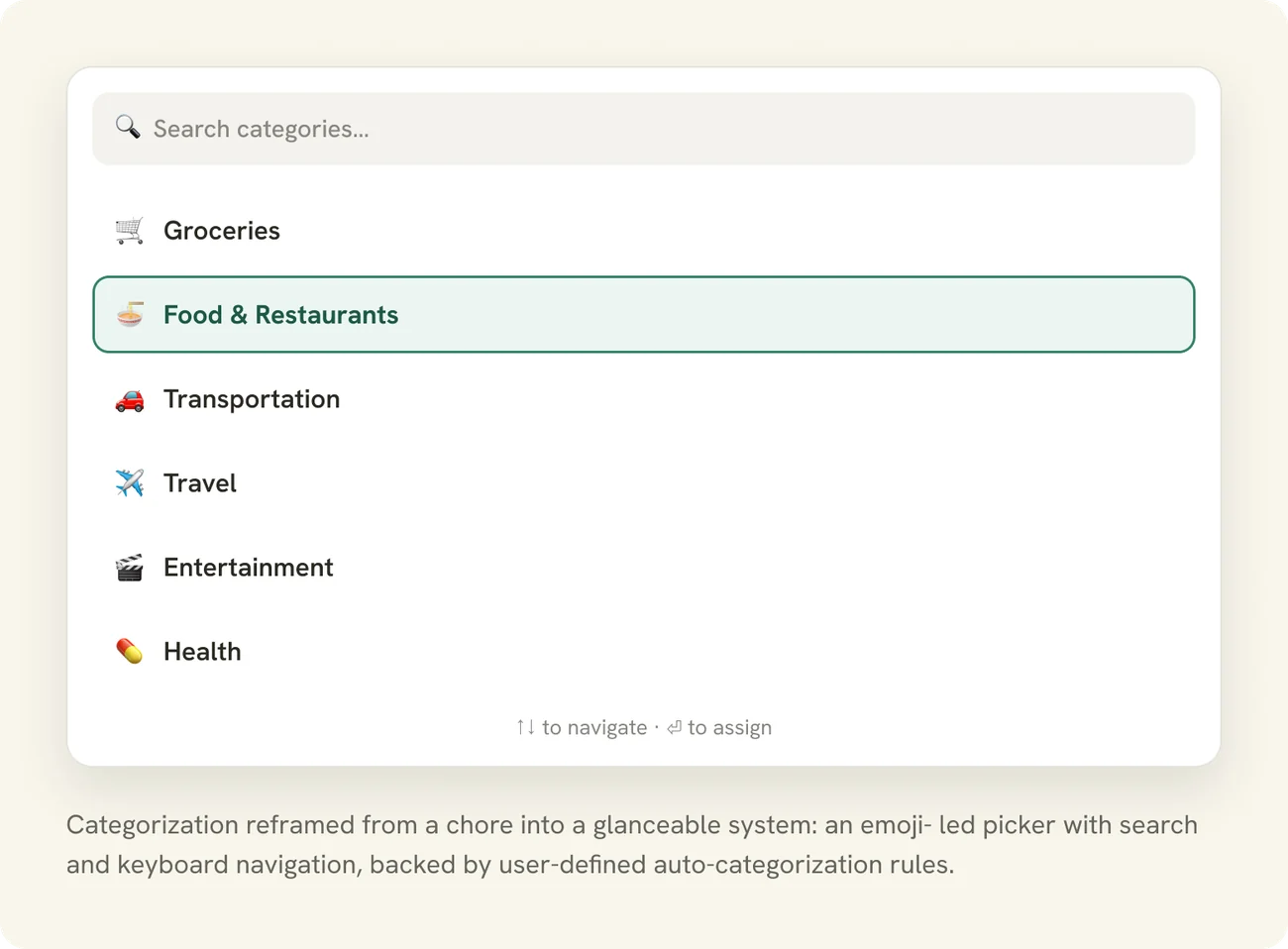
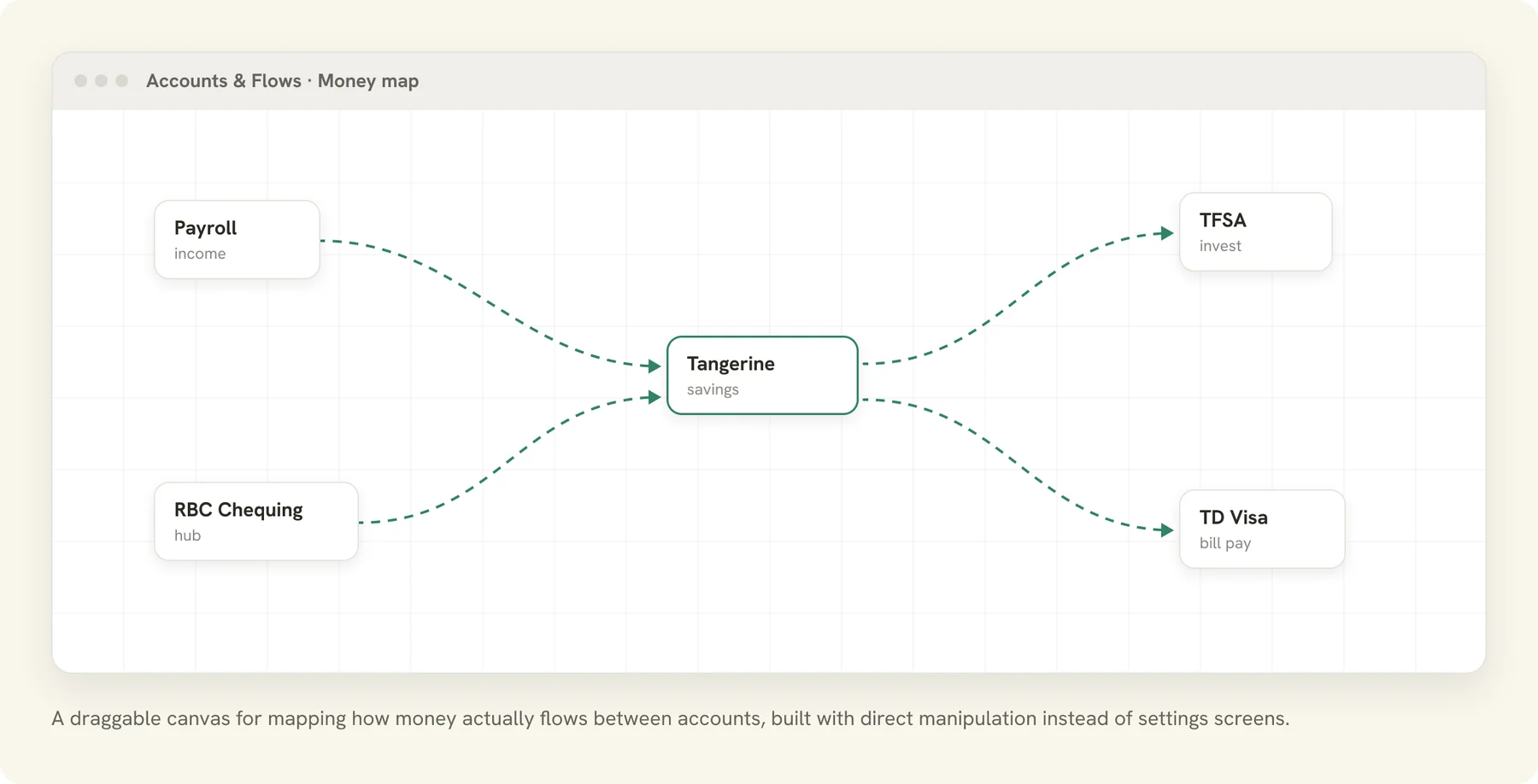
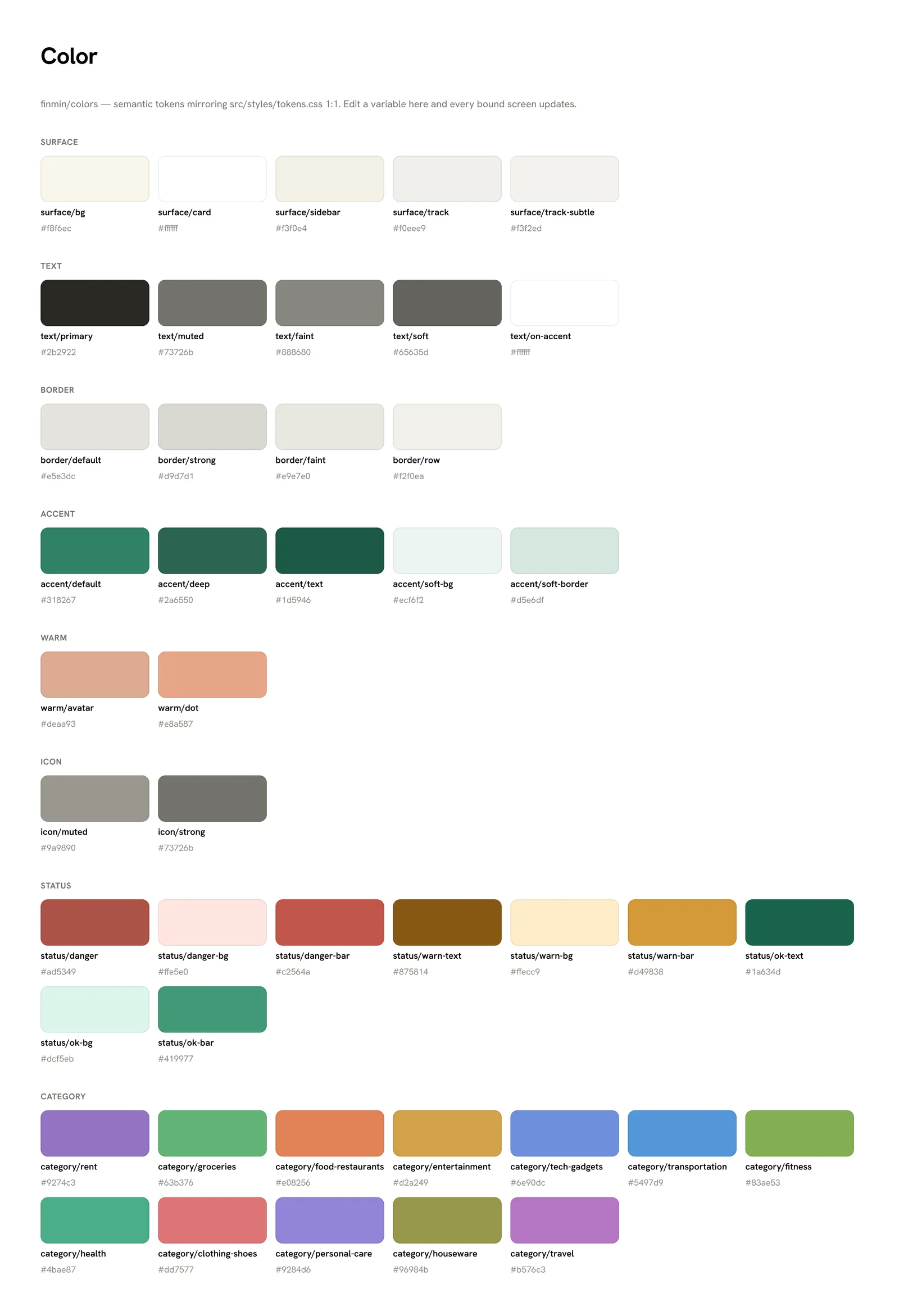
Visually, FinMin builds on a warm, restrained language: an off-white canvas, a calm green-teal accent, generous radii, and quiet motion. The goal was to make a data-dense financial tool feel approachable rather than clinical.
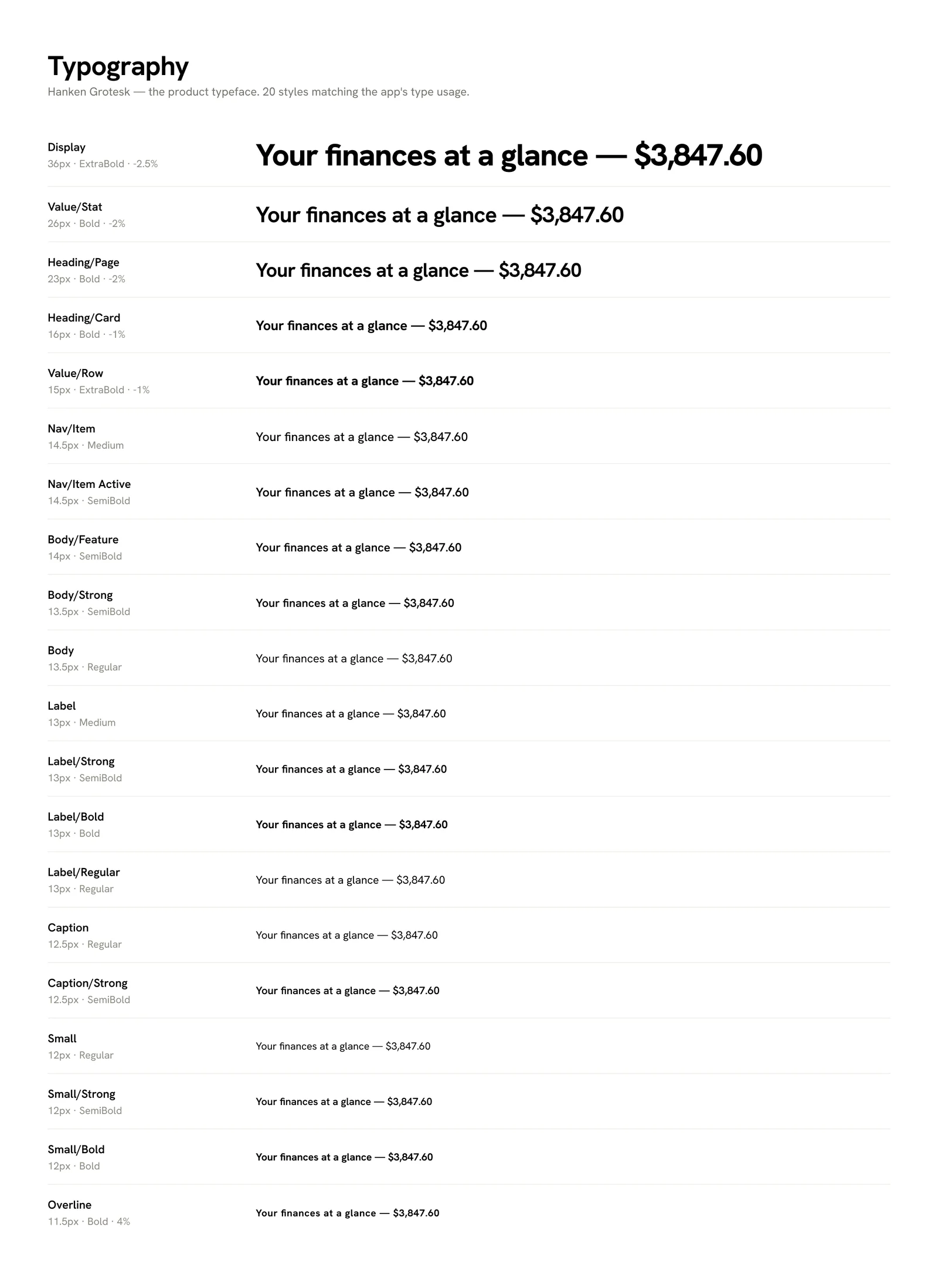
A shared token system and component library kept that language consistent as the product grew from a single expenses screen into a thirteen-module workspace.
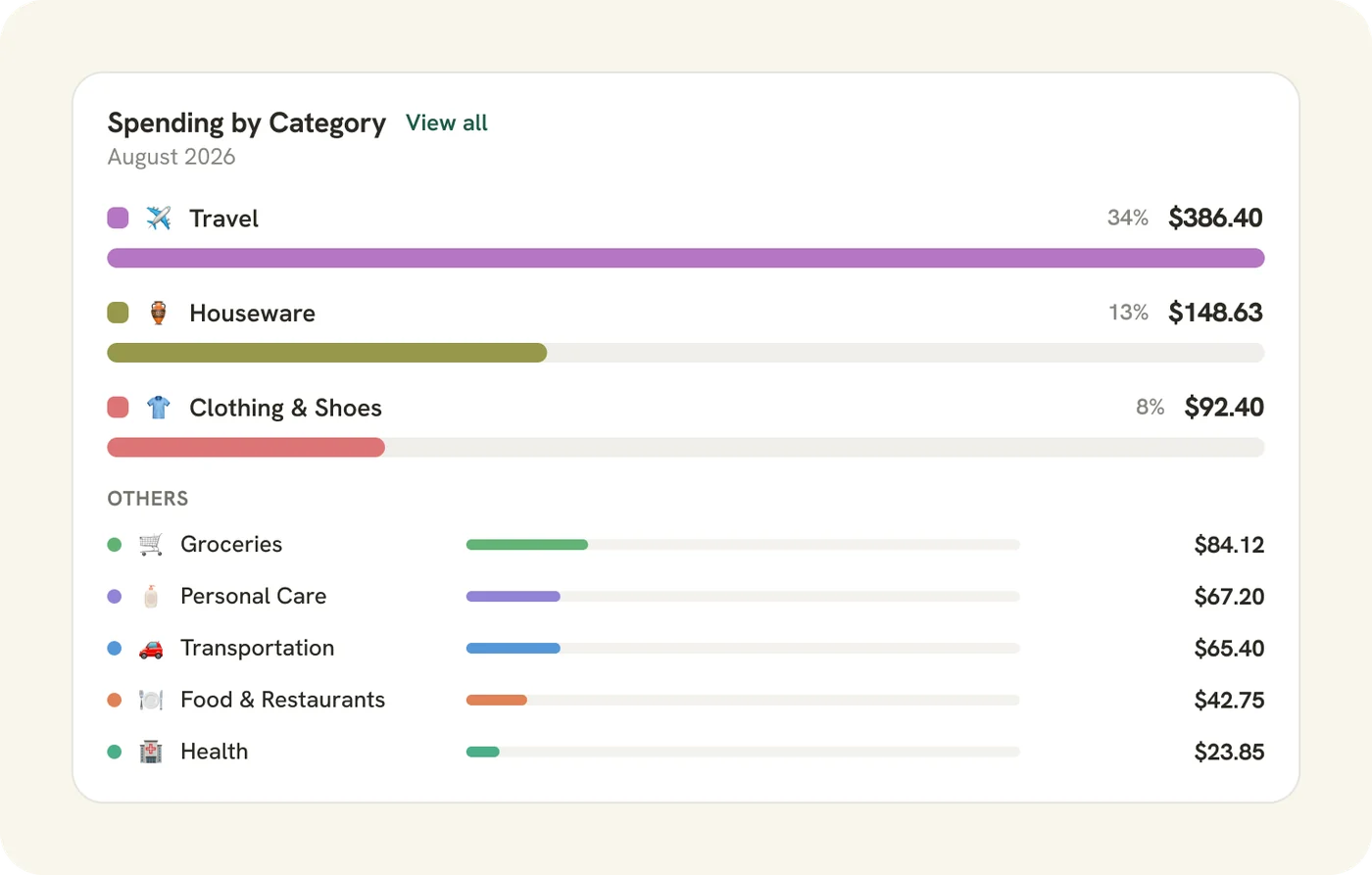
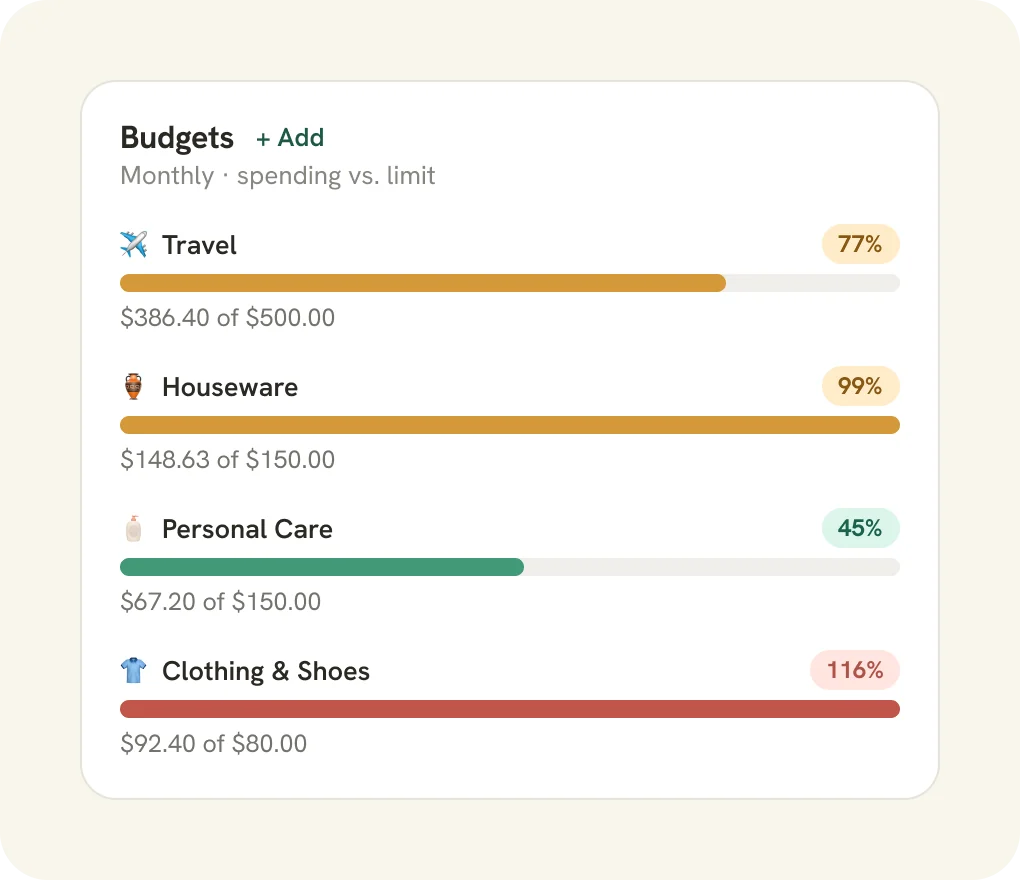
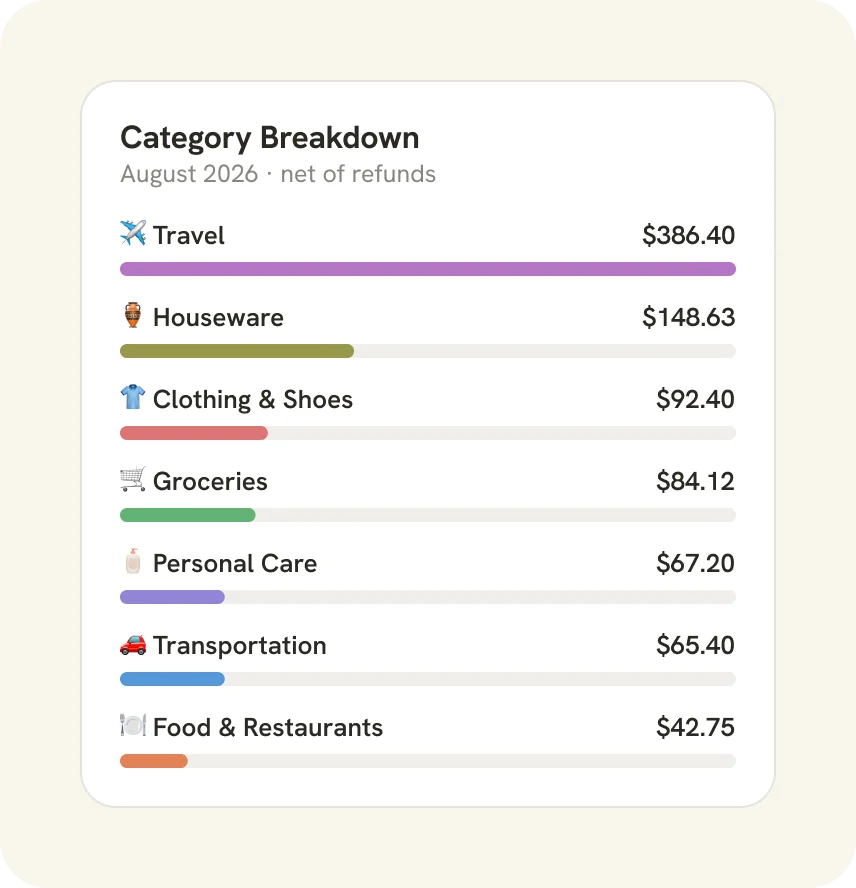
Tracking personal spending and budgeting
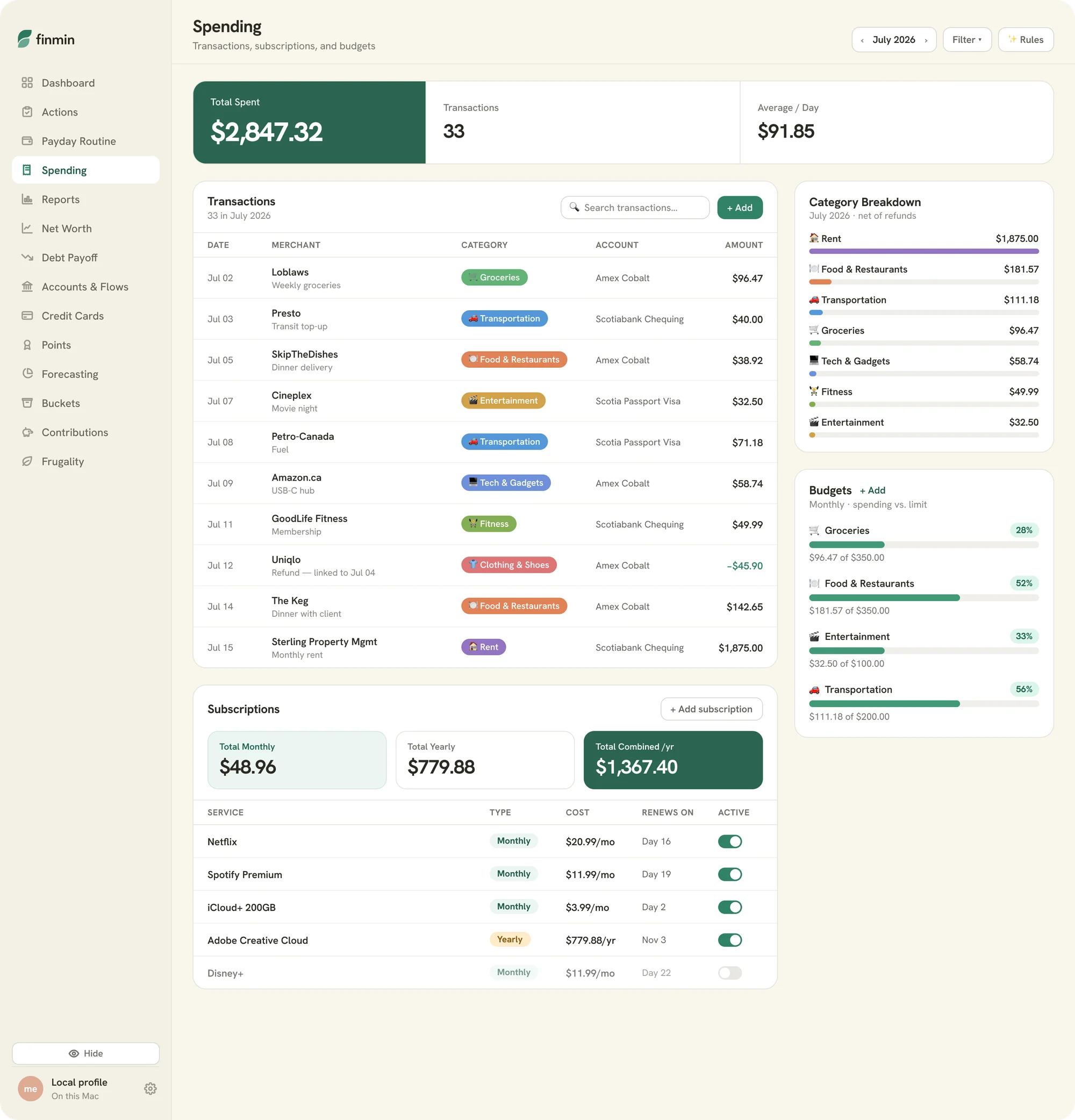
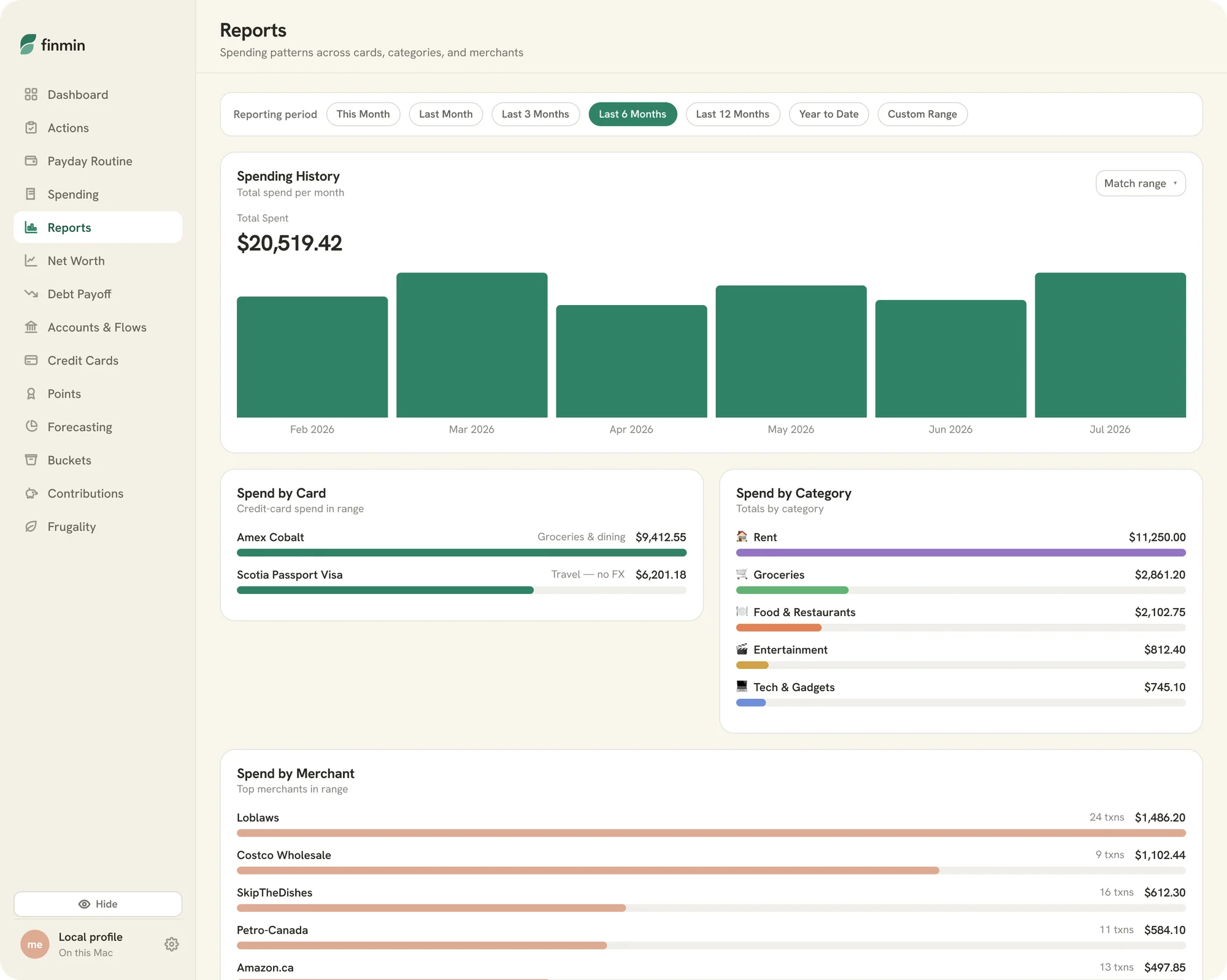
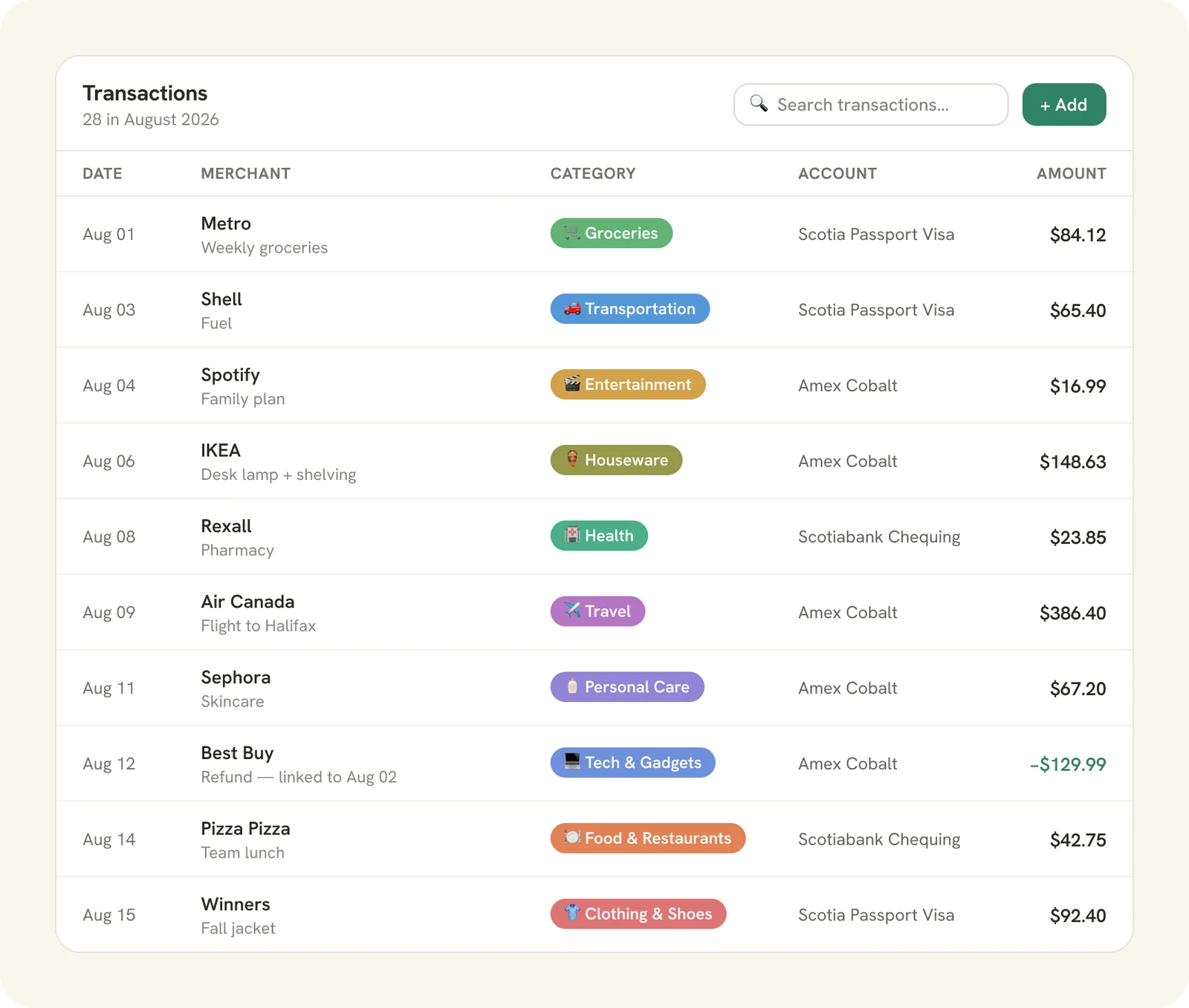
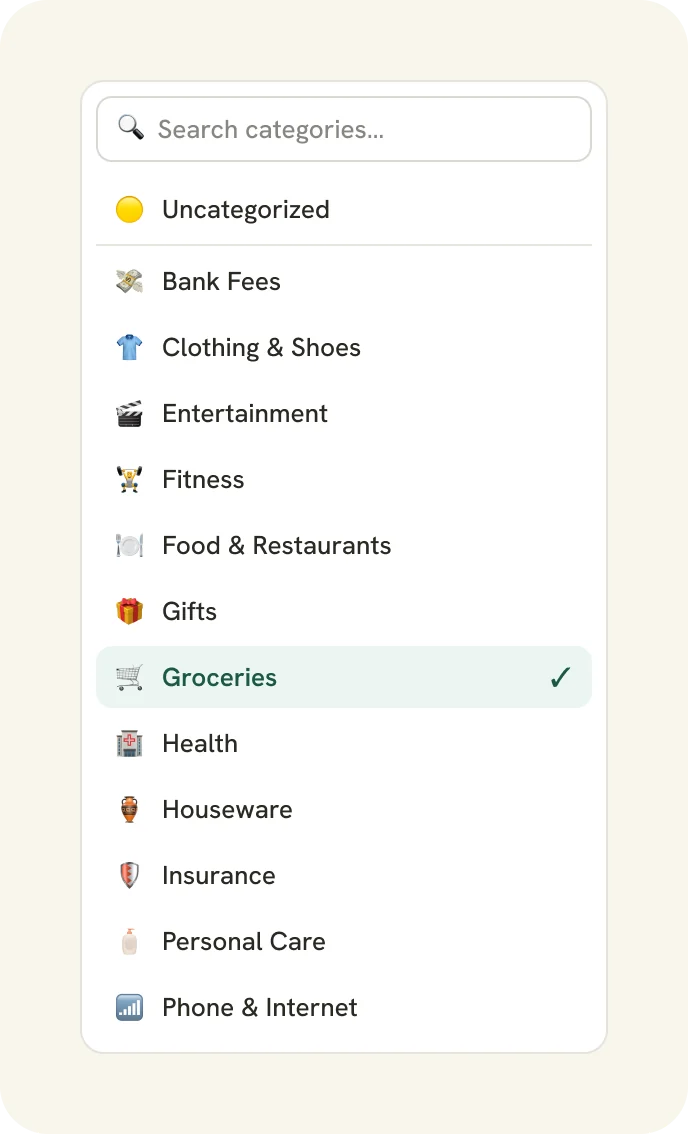
I also refined how the product defines and communicates spending. Refunds, transfers, and credit-card payments are treated differently from genuine expenses, helping reported totals match the client's expectations. Where multiple valid financial definitions could produce different results, the interface exposes that distinction rather than presenting a misleading single answer.
A clean, minimal
landing page
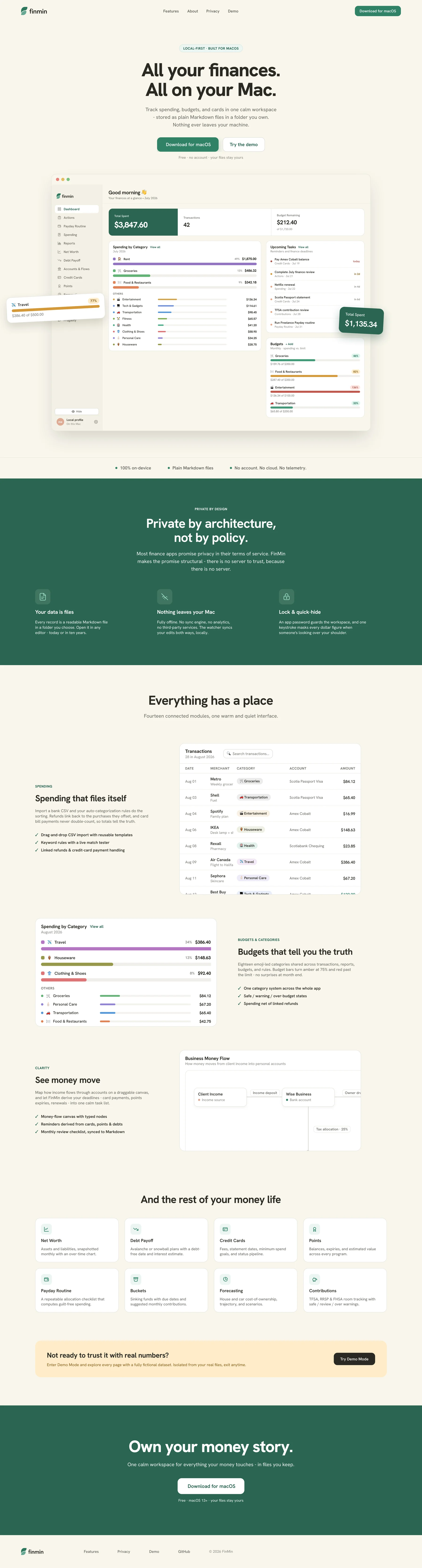
I designed the landing page to communicate finmin's local-first value in a clear, approachable way. The page combines focused messaging, calm visual design, and product-led storytelling to explain how the app brings scattered financial tasks into one private, self-owned workspace.

Outcome
The result is a private, self-owned financial workspace that consolidates what used to be a dozen scattered artifacts into one coherent, live picture, without the client ever surrendering their data.
The client gained a private desktop workspace, faster recurring reviews, reversible account management, clearer reporting, and a file system they can inspect, back up, or take elsewhere at any time.
The design gives a technically demanding, feature-rich product the calm and clarity of a much simpler one. For a tool meant to be returned to week after week, that combination of privacy, legibility, and low friction is the durable value: it makes staying on top of one's finances something the client can actually sustain.
 Available
Hey! Designing a product where trust in the numbers is everything?
Tell me what you’re building. I’ll help you turn dense data into an interface people actually enjoy using.