
Strategy, design, and AI
products built to move
I help B2B SaaS teams define what to build, design how
it works, and create the systems needed to move
from concept to market with less friction.
Services
Product Strategy Consulting
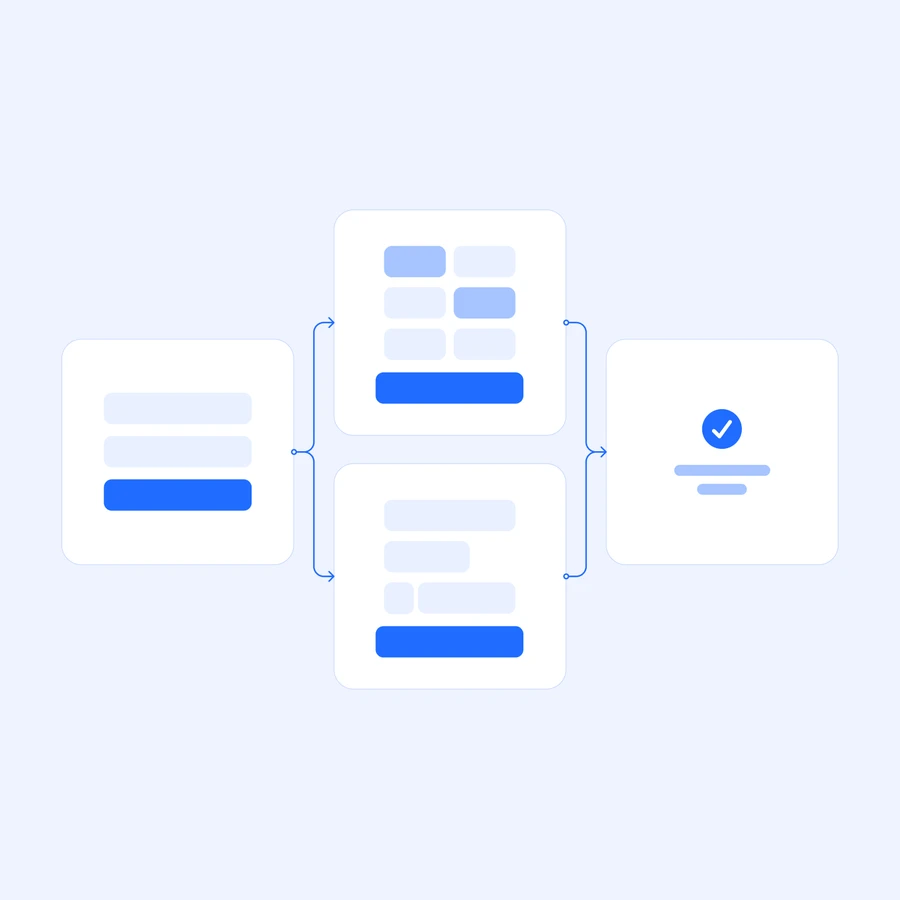
I’ll help you decide what to build next. Product positioning, feature priorities, and UX direction grounded in user needs and business goals.
AI Products & Workflows
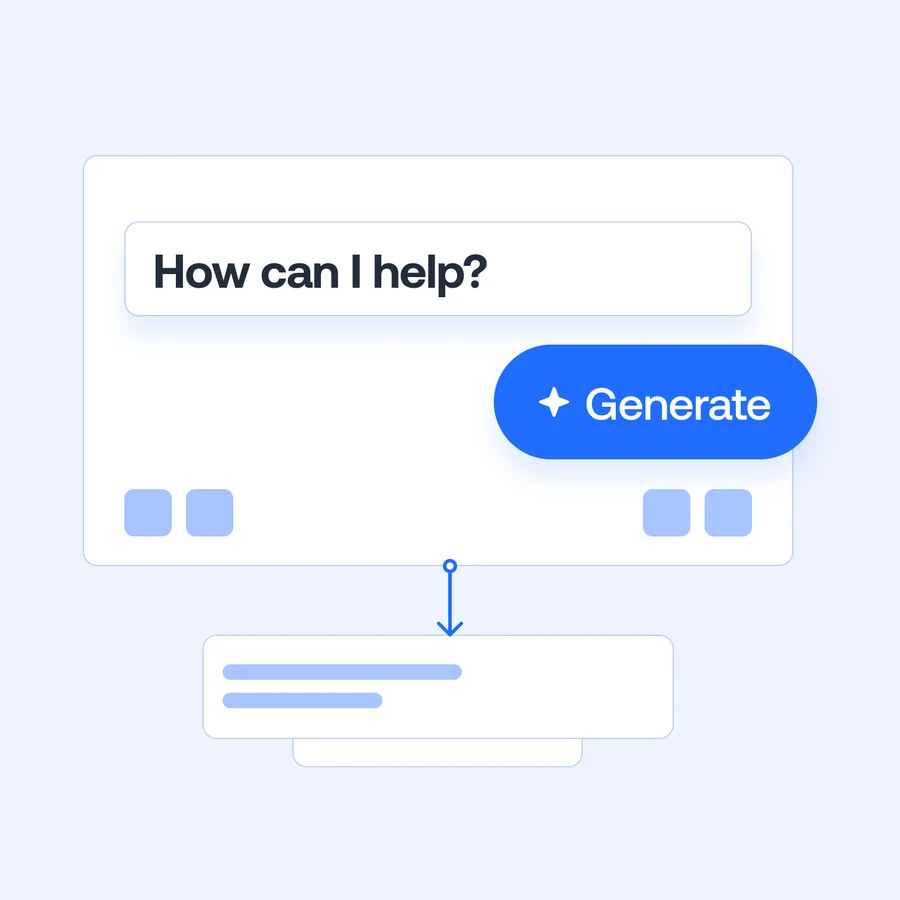
I’ll design the user experience, build the core workflows, and deliver a launch-ready SaaS prototype.
AI SaaS UX/UI & Product Design
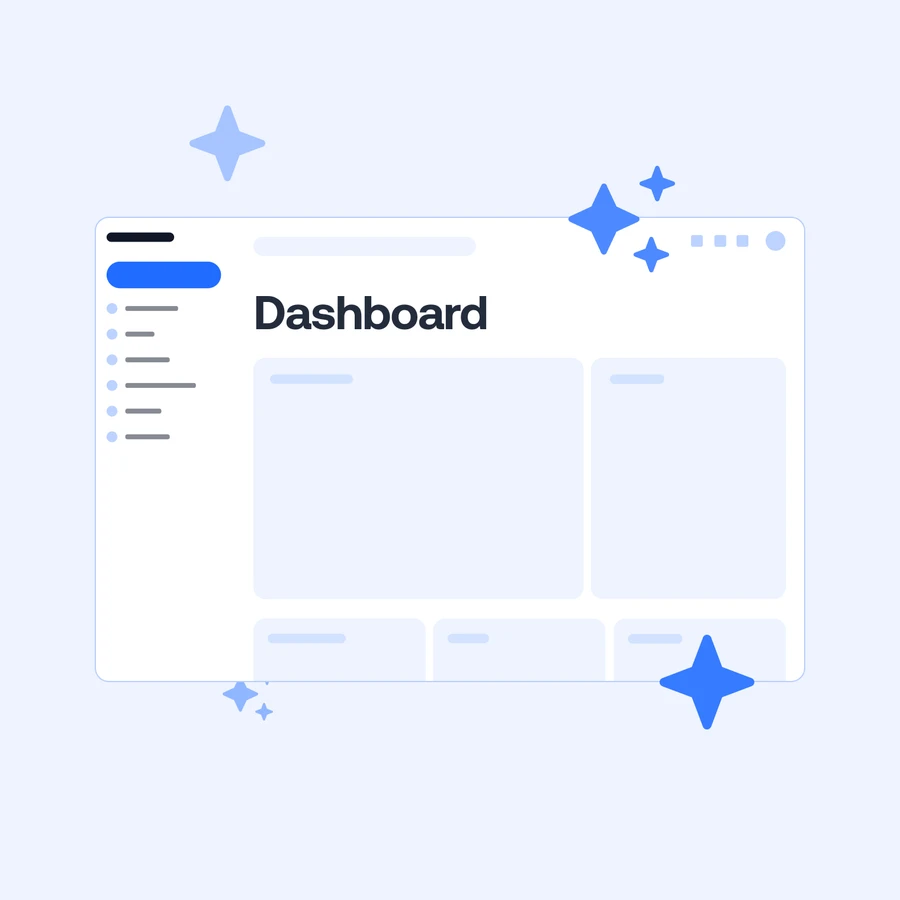
Get clear AI flows for your startup. Copilots, agents, and inline help with states, review steps, and dev-ready Figma screens.
Ongoing B2B Design Partner
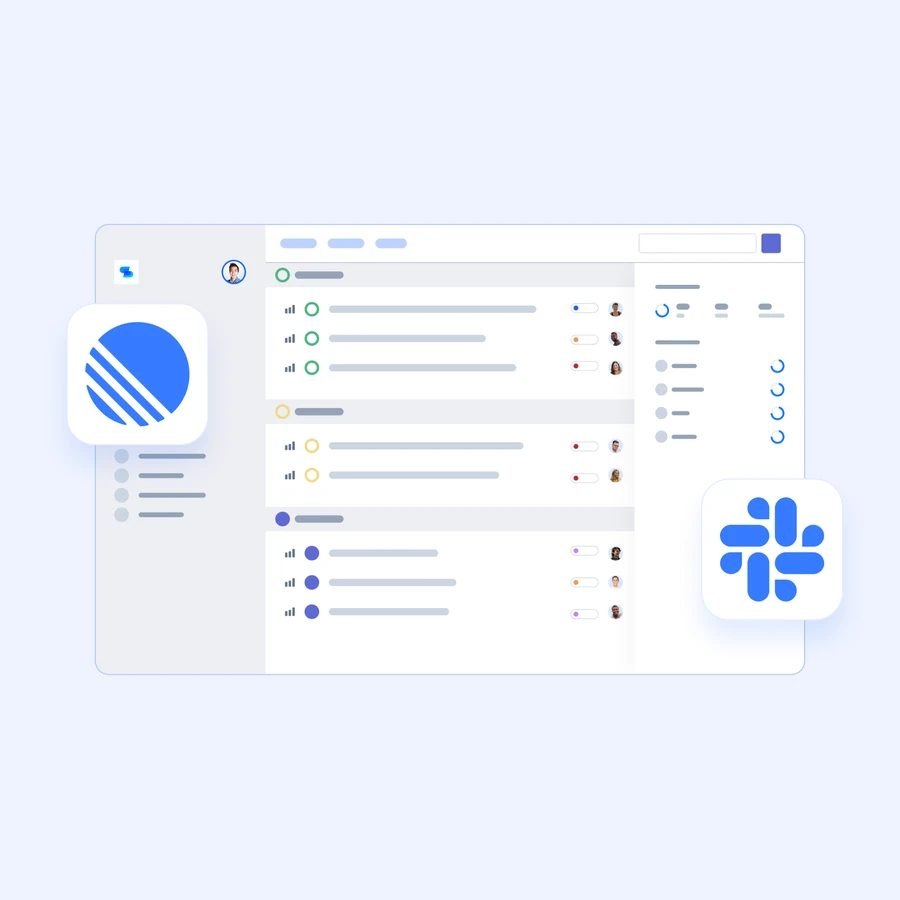
Weekly UX/UI support for B2B SaaS. Dev-ready screens, specs, and components that keep sprints moving and teams unblocked fast.
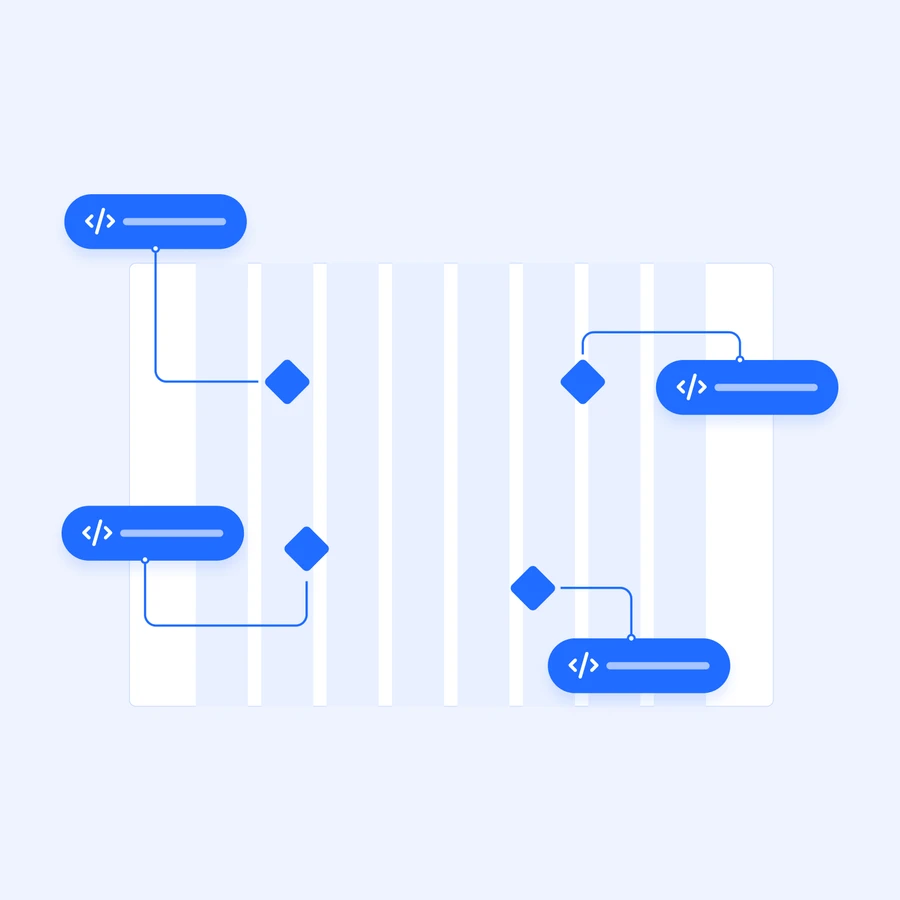
Enterprise UX/UI & Product Refinement
Refine your enterprise SaaS UX/UI. Modern UI polish, clearer workflows, and consistent components. No full redesign.
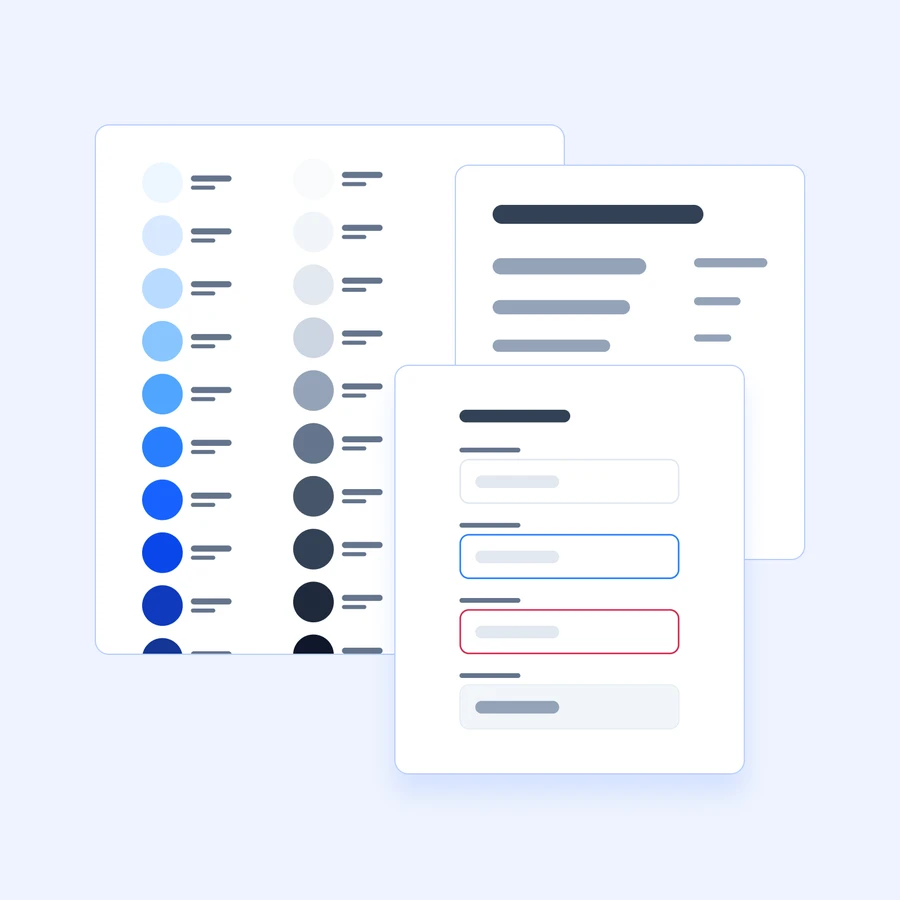
Design Systems & Tokens
I’ll organize your scattered components into a design system. Tokens, states, and docs that help enterprise teams build consistent UI.
Senior design, without the
agency overhead
| Criteria | Agencies | Independent design partner |
|---|---|---|
| Work directly with a senior designer | ||
| Pay for design outcomes, not agency overhead | ||
| Avoid outsourced or junior handoffs | ||
| Know exactly who is doing the work | ||
| Keep multiple priorities moving | ||
| Adjust priorities as needs change | ||
| Same designer throughout | ||
| Clear personal accountability |
What previous clients said
“Brendan did a fantastic job helping us on a myriad of various design projects as we launched our company. He was an excellent communicator and really spent the time digging into our product so he could not only design, but provide insightful feedback about flows and product features. He did a really great job making a unified experience from web to mobile to apps and it was a huge step forward in our overall project’s design.”
 Kevin M.Co-Founder, Lifeguard ($1.3M raised)
“Really appreciate the thoughtful response and your great attitude about everything. Your work has been fantastic and has made a huge difference for us. The quality and care you put into everything really shows, and we’re in a much better place because of it.”
 Austin H.Co-Founder, Lifeguard ($1.3M raised)
“We’ve really enjoyed your work and as you may have seen, we’ve implemented it (maybe not pixel by pixel) and it’s working well.”
 Tyson P.CTO, KGA
“Brendan is that incredibly rare designer who produces high-caliber design while remaining egoless and collaborative. The only reason we’re ending the engagement is that our devs can’t keep up, so I look forward to working with Brendan again in the future – and will miss him in the meantime!”
 Tom C.Former Product Lead @ Google
“Brendan was organized and easy to work with and he was a strong communicator throughout. He is great at keeping a project moving in the right direction and compartmentalizing tasks into manageable buckets. His designs are both clean and sleek and can elevate the appearance of any tech project to a professional level.”
 Daniel P.Co-Founder, WagerWiz
“Brendan has helped us turn our software from a clunky, confusing experience into a clean and delightful one. He made suggestions to improve our ideas and took initiative to show us extra designs using his approach. We are definitely going to continue using his services as long as possible.”
 Tom W.Founder, Harness Software (acquired)
“Brendan is an incredibly talented and valuable designer, and it is not easy to find someone like that. I have worked with him in past roles, hiring him each time because he has proven not only to be a fantastic UX designer, deeply understanding the customer journey, but also incredibly easy to work with. He is communicative, responsive, and delivers iteratively. He is a dream to work with!”
 Ivy K.Senior Product Manager
“Consistently impressed by Brendan’s ability to produce excellent mobile designs. He is flexible, responsive and can be trusted to deliver on time.”
 Brent B.Agency Owner
“Brendan is a rockstar! Provides quick, clean, easy to understand layouts that developers find useful and actionable. We’ve worked on websites and apps together and were extremely satisfied with the end results. A clear communicator and punctual, we look forward to working with Brendan again everytime.”
 Yanier G.Founder, Destructoid
“Brendan is a top performer for Torch, our NYC-based tech company. He consistently excels in all three key categories: design, performance, and communication. As just two examples, Brendan’s design work on our National Council of Nonprofits presentation deck was both timely and perfectly executed and his preparation of a recent client proposal helped Torch land our largest deal to date. I strongly recommend Brendan without reservation.”
 Richard G.Founder, Torch
“Brendan works very professionally! The quality was great, and only one round of revisions was needed, and these were not really revisions/change but a couple of small additions, that Brendan worked into the design excellently. I’ve contracted with Brendan for two sprints/projects so far and will work again with him soon.”
 Daniel G.Software Developer
“Brendan’s mockups were exceptional. His work demonstrates his strong ability to put himself in the user’s shoes in order to create the best user experience possible. Brendan follows-up after delivering the final product to ensure you have what you need in order to start developing. He receives my highest recommendation.”
 Neer H.Founder, MajorGig
FAQs
Got questions?
I work best with founders, product teams, and growth teams facing a clear product or conversion challenge.
That could mean improving onboarding, fixing a confusing user flow, redesigning a core product experience, creating a design system, strengthening a landing page, or giving structure to an early-stage product.
The best fit is a team that can share its goals, customer insight, constraints, and feedback - and is ready to act on a clear design direction.
I help SaaS teams make products and marketing experiences clearer, easier to use, and more consistent.
It depends on the engagement. Projects may cover:
- Onboarding, activation, and core user flows.
- UX/UI design for web or mobile products.
- Design systems and reusable interface patterns.
- Landing-page messaging, structure, UX, and conversion.
- Interaction and motion direction.
- Product or website structure.
- High-fidelity design and prototyping.
- Implementation guidance.
- Website or landing-page design and development when included in scope.
Each engagement is shaped around the problem you want to solve and the result you want to reach.
It depends on the project, but you’ll usually get a combination of strategy, design, prototypes, and clear direction for what happens next.
That may include:
- User flows and journeys.
- High-fidelity product designs.
- Interactive or coded prototypes.
- Landing-page designs.
- Design systems and reusable components.
- UX recommendations.
- Clear reasoning behind important design decisions.
- Documentation and implementation guidance.
- Developer-ready designs and handoff.
- A clearer roadmap for what should be improved next.
The work goes beyond handing over design files. You should come away understanding why certain decisions were made, what problems we were trying to solve, and how your team can continue building on the work afterwards.
I start by understanding the problem before designing the interface.
We look at the business goal, user needs, current experience, available evidence, constraints, and what a successful project needs to achieve.
From there, I break the work into clear phases and explain the thinking behind major design decisions. Feedback is tied back to the goals of the project, which helps stakeholders evaluate the work from a product perspective rather than personal taste.
You get direct senior involvement from strategy through final design.
SaaS Designer is a one-person studio led by Brendan (myself).
You’ll work directly with me throughout the project, all the way from understanding the problem and shaping the direction through to producing the final designs.
There is no handoff from a sales team to a separate delivery team.
If a project calls for development or specialist support, that will be outlined clearly in the scope so you know who is involved and what they are responsible for.
This is a direct consulting relationship built around a defined problem, outcome, scope, and set of project phases.
Agencies can be a great fit when you need a larger team, multiple disciplines, or a lot of production capacity.
That said, it’s worth understanding who will actually be doing the work before you sign on.
Some agencies are built around a model where senior people handle sales, strategy, or client communication, while much of the day-to-day design work is completed by more junior team members. That isn’t necessarily a bad thing, but it can be very different from working directly with the person you originally spoke with.
I’m not the loudest person in the room, and I’m not interested in being performative for the sake of looking busy. I do my best work in environments that value clear thinking, thoughtful collaboration, and strong execution over constant meetings and unnecessary process.
My approach is built around quiet confidence and reliability. I listen carefully, ask the right questions, work through problems without ego, and follow through on what I say I’ll deliver.
I’m comfortable working independently, but I collaborate closely when it matters. I prefer focused communication, clear expectations, and giving people the space to do good work.
Yes. I’d consider myself pretty AI-native at this point.
I keep up with the latest AI design and development workflows and regularly use tools like Claude Code, Codex, and other AI tools as part of my own process.
In fact, most prototypes I build these days aren’t just static Figma screens. When it makes sense, I’ll build clickable, coded prototypes so we can test ideas in something that feels much closer to the real product.
I’m also not afraid to get into the code, work with an existing codebase, or push changes to GitHub. I’ve vibe-coded more than 10 of my own private apps, so I’m comfortable working somewhere between design, prototyping, and development when a project calls for it.
That doesn’t mean I use AI just for the sake of using AI. I’ll use whatever approach helps us understand the problem, explore ideas faster, and get closer to something your team can actually build.
As part of working together, I’m also happy to bring your team up to speed on some of the newer AI design and development workflows I’m using and look at where they might genuinely be useful inside your own company.
I can lead the strategy and design process from an early starting point, but I will need access to the knowledge your team already has.
That may include:
- Your business goal and definition of success.
- Product context and customer insight.
- Existing research, feedback, reviews, support questions, or call recordings.
- Access to the current product, website, analytics, or related materials.
- A clear decision-maker.
- Relevant stakeholder input.
- Timely feedback and approvals.
- Technical constraints from product or engineering.
- Content, messaging, or subject-matter input.
You do not need to arrive with a finished plan. I can help turn the information you have into a clear project direction.
Figma is still my main design tool, especially for interface design, design systems, prototyping, collaboration, and handoff.
But my workflow has become much broader than Figma.
Depending on the project, I’ll also use tools like Claude Code, Codex, GitHub, and other AI-assisted design and development tools to explore ideas, build prototypes, and get closer to the real product earlier in the process.
These days, a prototype doesn’t always need to be a clickable Figma file. Sometimes it makes more sense to build the actual interaction in code so we can experience it properly.
I care much more about using the right tool for the problem than forcing every project through the exact same design process. The tool itself is secondary to the quality of the thinking, decisions, and final experience.
Yes. Website or landing-page design and development can be part of an engagement when it fits the project.
Before work begins, the scope will define the platform, page count, content responsibilities, integrations, technical needs, level of customization, and any post-launch support.
For landing pages, I can also work on positioning, messaging, page structure, customer objections, proof, calls to action, and conversion flow.
Timing depends on the scope, number of flows or pages, stakeholder availability, feedback speed, and development needs.
Before the project begins, you will receive a phased timeline with clear milestones and responsibilities.
That timeline assumes feedback, content, and approvals arrive at the agreed points. Scope changes or delays may affect the schedule, and any changes will be communicated clearly.
Pricing depends on the scope, complexity, value of the work, and the level of support the project needs.
After the initial conversations, I will recommend a scope that fits the objective and explain the investment attached to it.
If the full project sits outside your available budget, we can reduce the scope or split the work into phases rather than cutting the parts needed to make the project useful.
No designer can responsibly guarantee a specific business outcome from design work alone.
Results can also depend on implementation quality, traffic, product-market fit, pricing, sales, customer support, and how the team acts on the work.
What I can do is define clear goals, agree on success criteria, make responsibilities clear, and design the project around measurable improvements.
I would rather set realistic expectations and evaluate the work against agreed evidence than promise a result no designer controls alone.
Send a short description of your product, the problem you want to solve, your timing, and any useful context through the contact form.
From there, we will book a short video call to talk through the project and see if the fit is right.
If it is, the next stage is a deeper strategy conversation followed by a recommended scope, timeline, and plan.
 Available
Think there’s potential for us to work together?
Tell me what you’re building and where design is slowing you down. If there’s a fit, I’ll show you exactly how I can help.